
If your air conditioner has been running hard since May, late August is the right time to look at how it has been performing. Michigan summers push central AC systems through hundreds of hours of operation. Components that were marginal coming into the season may show their limits when the heat peaks, and early warning signs are easy to overlook when the system is still technically cooling. Recognizing what needs attention now can save a significant repair or a full replacement before next summer.
RC Heating & Cooling serves Shelby Township, Sterling Heights, Macomb County, and Metro Detroit. This guide covers the most common AC problems Macomb County homeowners encounter, what each symptom means, and when to call a technician versus when you can address it yourself.
The Signs Most Homeowners Notice First
Not every AC issue announces itself with a total breakdown. Most problems develop gradually and produce symptoms that are easy to attribute to something else. Here are the ones that most commonly come into our service calls:
- The house does not cool down to the thermostat set point. If the AC runs continuously but the house stays warmer than set, the most common causes are a refrigerant charge problem, a dirty evaporator coil, or a system that is undersized for the current load. A technician can verify the refrigerant charge and coil condition; undersizing is a design issue that does not resolve without equipment changes.
- Airflow feels weak from the vents. Weak airflow almost always traces to one of three things: a clogged air filter, a frozen evaporator coil, or a duct problem. Check and replace the filter first. If the filter is clean but airflow is still poor, turn the system off and let it sit for two hours; a frozen coil will partially thaw, and if cooling improves temporarily before declining again, you have a refrigerant or airflow problem that needs a service call.
- The system cycles on and off more frequently than normal. Short cycling is a red flag. It signals an overheating issue (usually from restricted airflow), a refrigerant problem, or a failing component in the control system. Repeated short cycling accelerates wear on the compressor, which is the most expensive component in the system.
- The indoor unit makes grinding, screeching, or rattling sounds. A low hum and fan noise are normal. Grinding typically means a bearing issue in the fan motor. Screeching can mean the same, or a belt problem in older systems. Rattling often means a panel that is loose or debris in the cabinet. None of these should be ignored; a bearing failure that develops into a seized motor is a much more expensive repair than addressing it early.
- Higher electricity bills without a change in usage habits. A central AC system that is losing efficiency due to a dirty coil, low refrigerant, or failing components draws more power to produce the same cooling. According to the U.S. Department of Energy's ENERGY STAR program, nearly half of the average home's annual energy bill goes to heating and cooling. A system running at reduced efficiency can add meaningfully to that cost before it fails entirely.
- Ice on the refrigerant lines or indoor unit. Ice formation means something is wrong with airflow or refrigerant levels. Turn the system off and let it thaw completely before running it again. Running a frozen unit damages the compressor. Once thawed, check the filter; if the filter is clean, the problem is refrigerant or coil contamination and needs a technician.
When to Repair vs. When to Consider Replacement
The decision to repair or replace is not always straightforward, but a few practical factors help frame it.
Age is the first variable. Central AC systems have a typical service life of 15 to 20 years with proper maintenance, though systems in Michigan that deal with both heating and cooling loads often see that range compressed. A system under 10 years old with a single component failure is almost always worth repairing. A system over 15 years old with compressor failure or refrigerant leak in an older refrigerant type presents a different calculation: the repair cost may represent a large fraction of replacement cost, and an older system's efficiency has declined significantly from its original rating.
Refrigerant type matters. Systems manufactured before 2010 typically used R-22 (Freon), which was phased out of production. R-22 is still available for existing systems, but at significantly higher cost than R-410A, which replaced it. A system requiring major refrigerant work and using R-22 is worth evaluating for replacement more carefully than an R-410A system with the same issue.
The ENERGY STAR program also notes that about 20 to 30 percent of the air that moves through a typical duct system is lost due to leaks, holes, and poorly connected ducts. For an older home with original ductwork, addressing the ducts as part of a system upgrade can recover efficiency that no amount of equipment repair would restore.
The practical rule of thumb is the "5000 rule": if the repair cost multiplied by the system's age exceeds $5,000, replacement is usually the better long-term value. A technician who has inspected the system can give you a grounded assessment for your specific situation.
End-of-Summer Maintenance Before Shutting Down
Even if your system has performed well all summer, a few simple steps before fall will preserve it for next year.
Replace the filter if you have not done so in the last 30 to 60 days. A clean filter going into the off-season prevents dust and debris from settling on the evaporator coil during months of non-use.
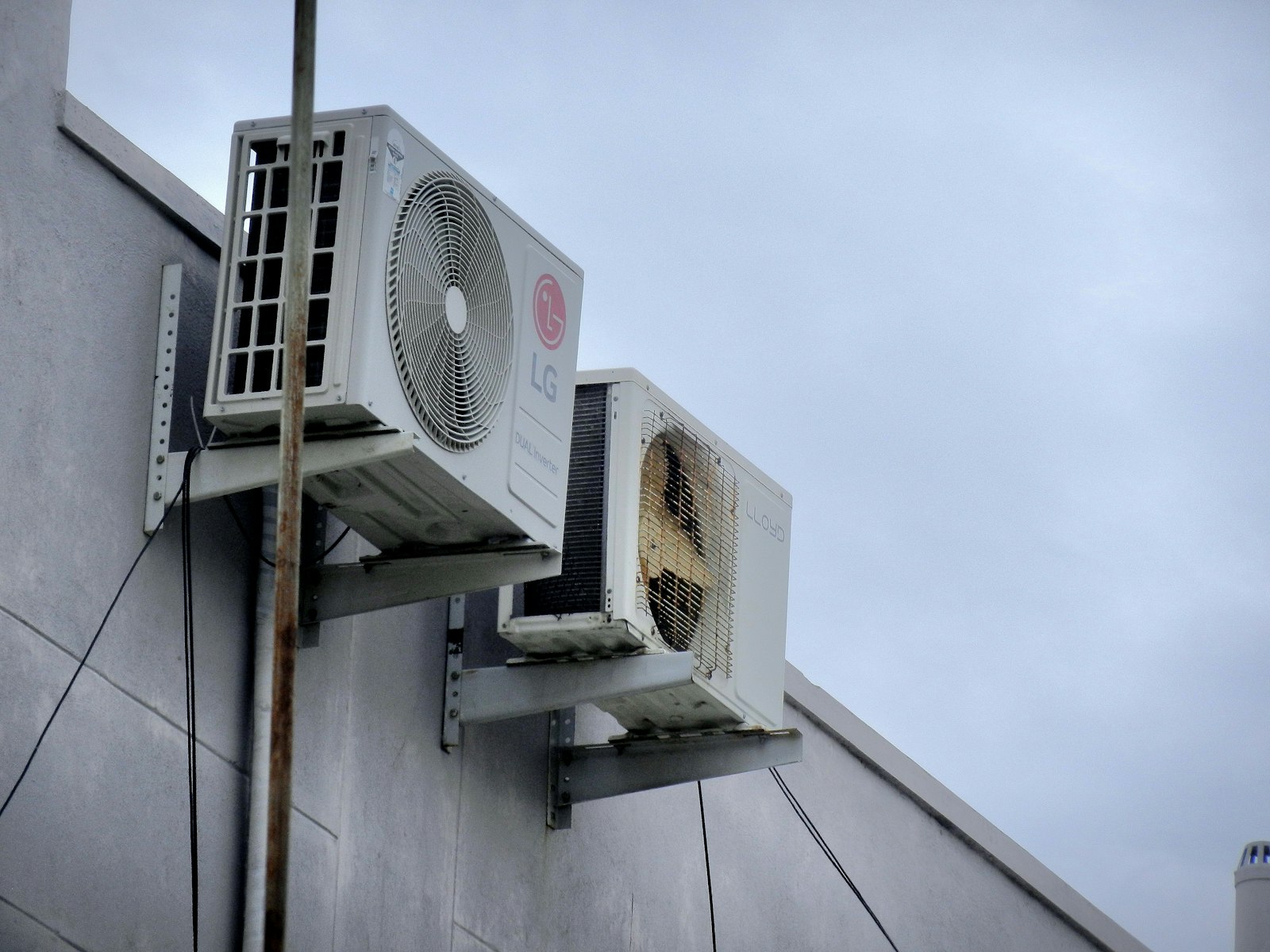
Clear the outdoor condenser unit. Over the course of a summer, grass clippings, cottonwood, and debris accumulate on the condenser fins and restrict airflow. A gentle rinse with a garden hose (not a pressure washer) from the inside out removes the bulk of it. Keep at least 18 inches of clearance around the unit.
Schedule a fall tune-up. Many HVAC contractors, including RC Heating & Cooling, offer pre-season inspections that cover both the cooling system and the furnace before it is needed in October. A technician can flag anything that will need attention and address it before you are without heat in cold weather.
Getting Service in Shelby Township and Macomb County
RC Heating & Cooling provides AC repair, diagnosis, and maintenance across Shelby Township, Sterling Heights, Clinton Township, and Macomb County. Service calls, diagnostics, and system evaluations are available for both residential and commercial systems.
To schedule a service call or get a diagnosis for an AC problem, contact RC Heating & Cooling at rcheatcool.com/contact-us.
FAQ
How do I know if my AC needs refrigerant?
Low refrigerant typically produces a combination of symptoms: the system runs but does not cool to set point, you may see ice on the refrigerant lines or indoor unit, and the outdoor unit may run longer than usual. A technician with a manifold gauge set can check the system charge in minutes. Note that refrigerant does not "run out" under normal operation; if the charge is low, the system has a leak that needs to be found and repaired, not just refilled.
Can I add refrigerant myself?
Not legally for most refrigerant types. EPA Section 608 requires technicians who purchase and handle refrigerants for AC systems to be certified. Beyond the legal requirement, the equipment needed to charge a system correctly is not practical for homeowners to own or use, and incorrect charging makes the problem worse. This is a job for a licensed HVAC technician.
What maintenance can I do myself?
Change the air filter every 30 to 90 days depending on usage and filter type. Keep the outdoor condenser unit clear of debris and vegetation. Make sure supply and return vents inside the house are not blocked by furniture, rugs, or curtains. These three things address the most common causes of reduced efficiency and short cycling.
How much does AC repair typically cost?
Diagnostic fees vary by company. Common repairs range from a capacitor or contactor replacement (relatively straightforward component swaps) to compressor work (significantly more involved). The only way to get an accurate number is to have a technician diagnose the specific problem. RC Heating & Cooling provides upfront pricing before any work begins; contact us at rcheatcool.com/contact-us to schedule.
Is it worth repairing an AC that is 15 or more years old?
It depends on the repair and the overall condition of the system. Minor repairs (capacitor, contactor, fan motor) on an otherwise solid system may be worth doing even on an older unit. Major repairs involving the compressor or heat exchanger on a 15-plus-year-old system usually warrant a replacement cost estimate for comparison. A technician who has seen the system can give you a grounded recommendation specific to your situation, not a formula.